

Salmon & Egg Yolk Shine Coat Blend for Dogs
The salmon egg yolk shine coat blend for dogs was the bowl my dog finished first. It is a plain cook most dogs take, and the yolk is the part to keep.
Will a homemade salmon and egg yolk topper actually make my dog’s coat shinier — or is it just a feel-good kitchen project? After making this salmon and egg yolk shine coat blend for my own dog twice a week for about eight months, I can tell you the difference is real. My border collie mix, Juno, used to leave tumbleweeds of dull black fur on every rug. Her coat now feels like a seal’s. That’s the change I noticed; your mileage will vary with breed and baseline diet.
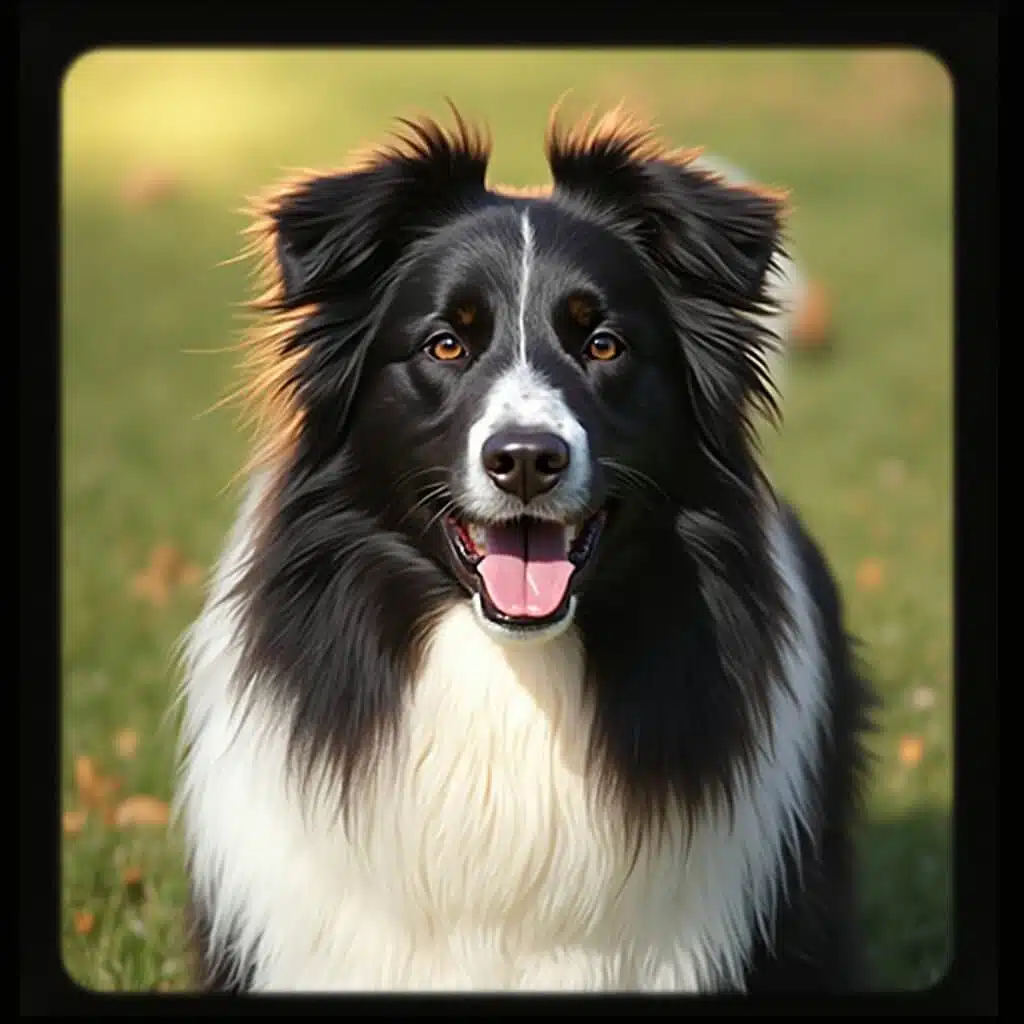
This isn’t a complete meal. It’s a topper — a few spoonfuls stirred into her regular food.
Key Info
– Prep time: 5–10 minutes
– Cook time: 10–15 minutes (0 if using canned)
– Total time: 15–25 minutes
– Yields: ~8–10 tablespoons
– Per tablespoon (approx.): 45 kcal · 3 g fat · 4 g protein · <1 g carbs
– Difficulty: Easy
– Diet tags: Grain-free, low-carb, gluten-free, not vegetarian
Serving guide: 1 Tbsp/day for small dogs (10–20 lb), 2 Tbsp for medium (20–50 lb), 2–3 Tbsp for large (50–90 lb), 3–4 Tbsp for giants. Adjust with your vet.

Equipment
– Mixing bowl (glass or stainless)
– Fork or potato masher
– Measuring spoons
– Small saucepan or baking dish (skip if using canned salmon)
– Airtight container or silicone ice cube tray for freezing
– Optional: immersion blender for a smoother paste
A fork does the job if you don’t own a blender — I made this with just a fork for the first three months.
Ingredients
– 120 g (1 cup) cooked wild salmon, flaked, skin and bones removed [canned wild salmon in water, drained, works fine]
– 2 large egg yolks, raw or lightly cooked [use yolks only if your dog reacts to egg whites]
– 1 Tbsp filtered water or unsalted bone broth, more to loosen
– 1–2 tsp salmon oil [algal oil or sardine oil work too]
– ¼–½ tsp ground chia seeds (optional, for extra omega-3)
– Tiny pinch dried parsley (optional)
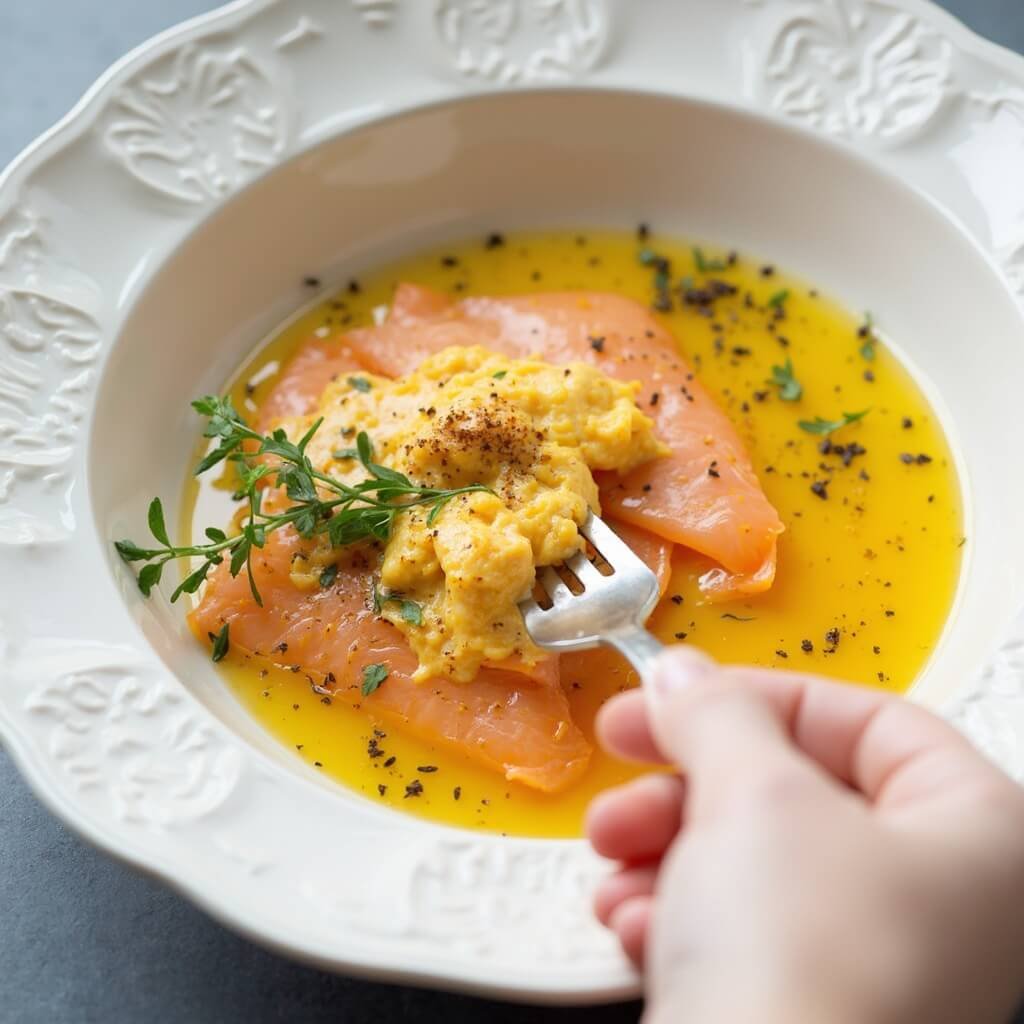
Skip salt, garlic, onion, and anything from a spice rack labeled “blend.” All toxic to dogs.
Method
1. Cook the salmon. Bake a fillet at 180 °C / 350 °F for 12–15 minutes, until the flesh is fully opaque and flakes apart with light pressure. No translucent center. Cool completely before handling — about 10 minutes.
2. Check for bones. Run your fingers across the cooled fillet. Pin bones hide near the centerline. I once missed one and panicked through Juno’s whole meal watching her chew. Take the extra minute.
3. Flake. Drop the salmon into your bowl and mash with a fork into fine flakes. No chunks bigger than a pea, especially for small dogs.
4. Add the yolks. Drop in 2 raw yolks. Whisk with a fork until the mixture turns uniformly pale orange and slightly glossy. The yolk emulsifies the fish fats — that’s what gives the blend its silky texture instead of an oily slick on top.
5. Loosen with liquid. Add 1 Tbsp water or broth and 1–2 tsp salmon oil. Stir until it looks like a thick, spreadable pâté. Add more liquid a teaspoon at a time if it’s too stiff.
6. Fold in chia (if using). Let it sit 2 minutes so the seeds hydrate slightly. The texture should be smooth, glossy, and hold a soft peak when you lift the fork.
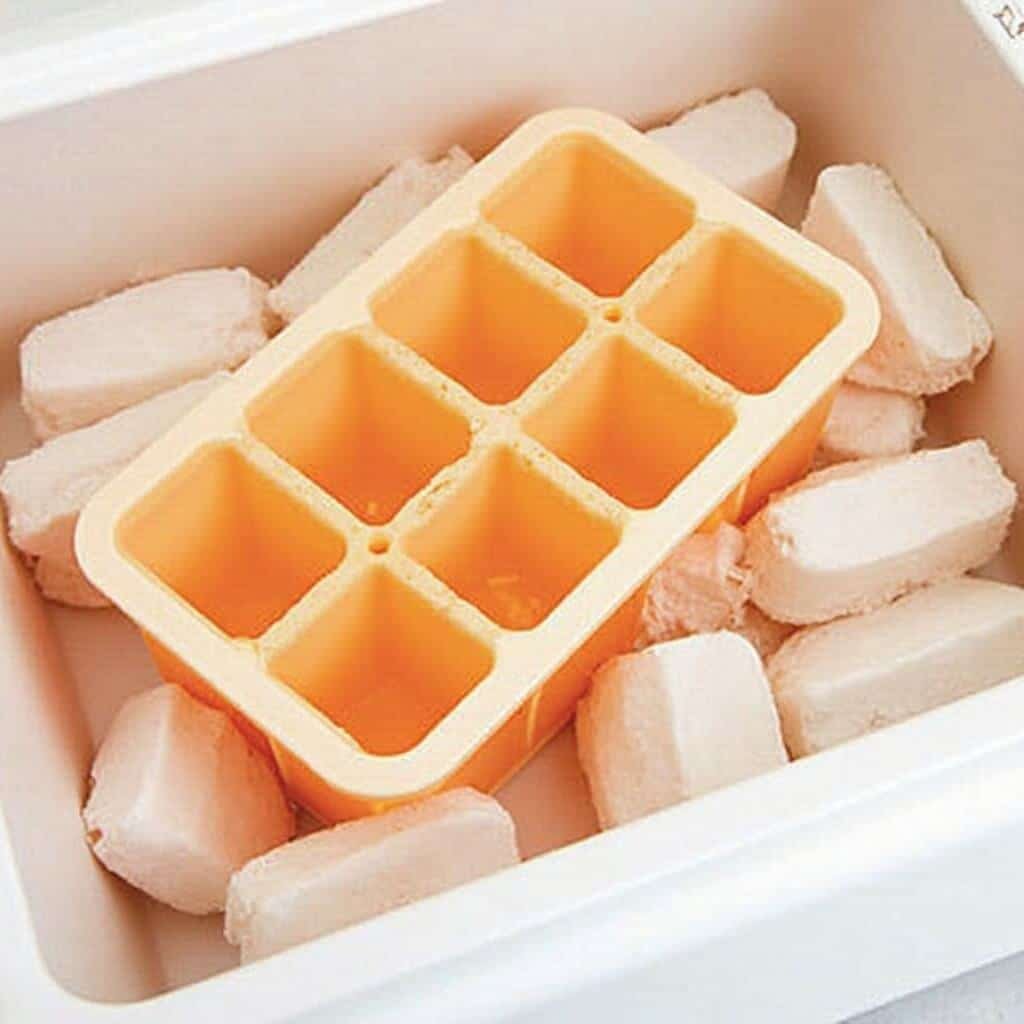
7. Portion and store. Spoon into a jar for the fridge, or press into a silicone ice cube tray and freeze. One cube = roughly 1 tablespoon.
Tips That Actually Matter
– Storage: 3 days in the fridge, 6–8 weeks frozen. Label the date — frozen fish goes off-flavor fast.
– Thaw overnight in the fridge. Never microwave; hot spots burn mouths and you destroy the omega-3s.
– Introduce slowly. Half the serving size for the first 4–5 days. Watch for loose stools or extra paw licking.
– Never use raw salmon. Pacific salmon can carry a fluke that’s deadly to dogs. Always cooked.
– Skip if your dog has pancreatitis. This blend is fat-rich by design. Talk to your vet first.
– Egg whites are optional. Some dogs do fine with whole eggs; if you see ear redness or itching after introducing this, drop to yolks only.
– Don’t replace meals with it. This is 5–10% of daily calories, max. It isn’t AAFCO-balanced.
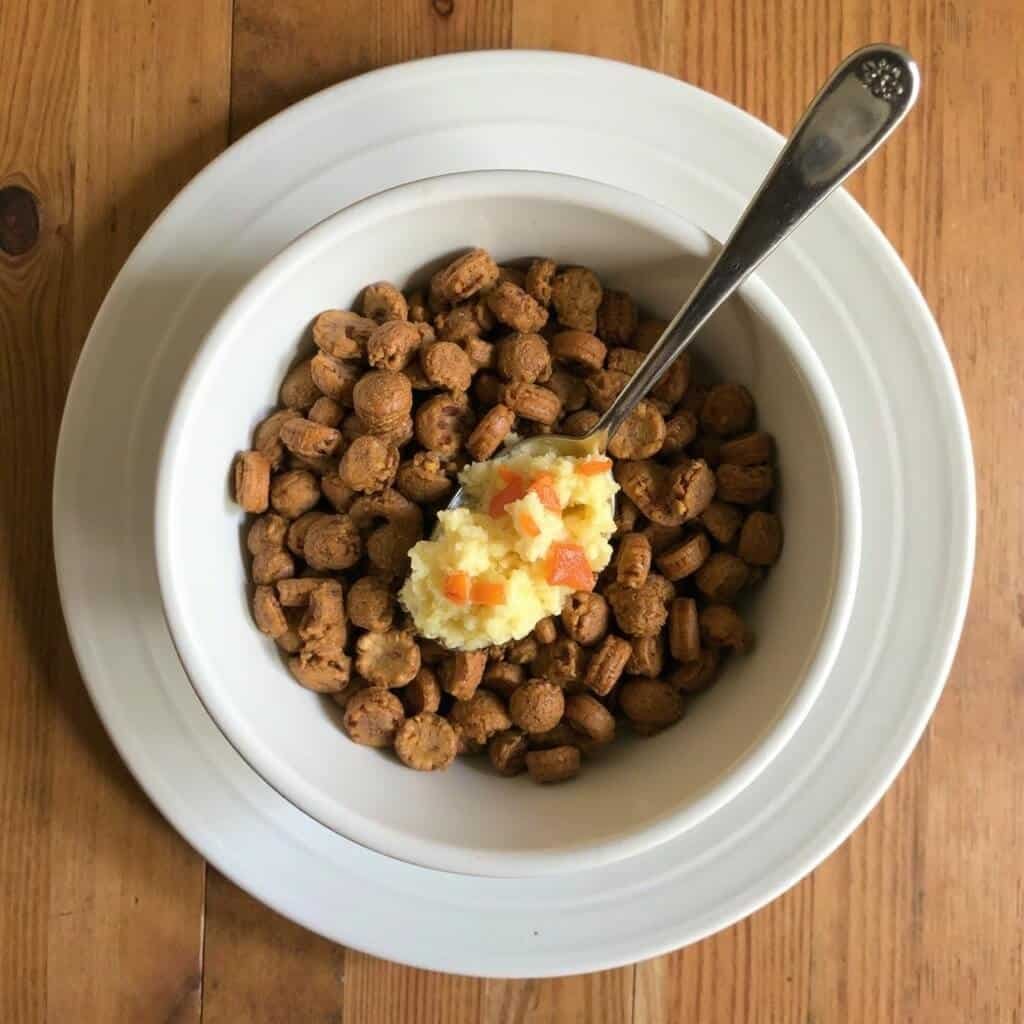
Variations I’ve tested: Adding ½ tsp plain pumpkin purée firmed up Juno’s stools when I overdid the oil. A pinch of vet-approved green-lipped mussel powder turns this into a coat-and-joint blend for my parents’ senior lab. The chia version is the one I make most — coat softness improved noticeably around week six.
The salmon egg yolk shine coat blend for dogs is the bowl most dogs take. The yolk is the part to keep.
