

Rabbit & Spinach Lean Protein Recipe for Dogs (Small-Batch Topper)
The rabbit spinach lean protein recipe for dogs was the topper my dog finished first. It is a small batch cook most dogs take, and the rabbit is the part to keep.
Is rabbit actually safe for dogs, and is it worth the price? Yes — rabbit is one of the leanest novel proteins you can feed, and my terrier mix Pickle has been on this rabbit and spinach recipe for dogs since her vet flagged a chicken sensitivity two winters ago. It’s the only switch that calmed her itchy paws within a month.
This is a topper, not a complete diet. I’ll say that twice because it matters.
Key Info
– Prep time: 10–20 minutes
– Cook time: 15–25 minutes
– Total time: 25–45 minutes
– Servings: 4–6 dog portions (medium dog)
– Per serving (approx.): 120 kcal · 4g fat · 20g protein · 1g carbs
– Difficulty: Easy
– Tags: Grain-free, novel protein, low-fat, limited ingredient
Equipment
– Cutting board and sharp knife
– Medium skillet (a saucepan works if you’d rather poach)
– Spatula
– Mixing bowl
– Measuring cups
– Food thermometer — not optional for rabbit, in my opinion
– Airtight containers for storage
Ingredients
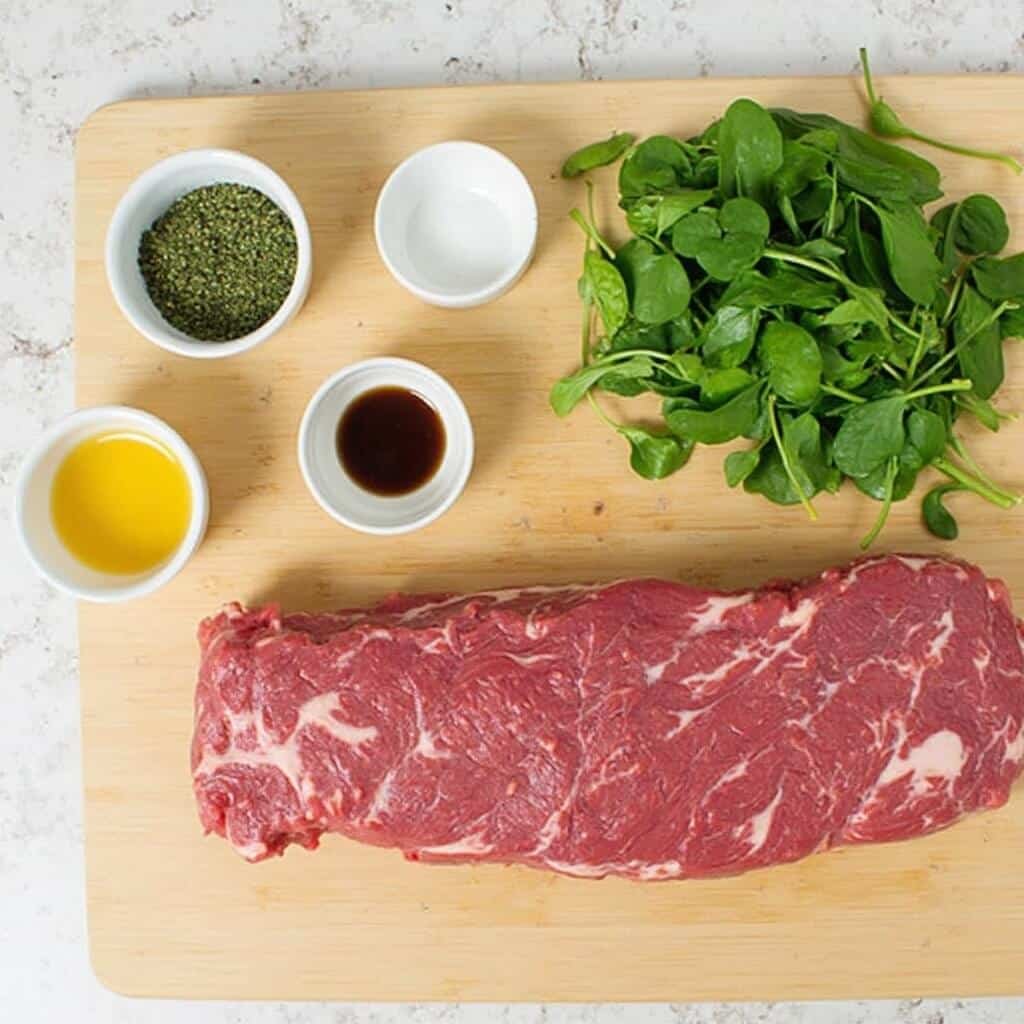
– Rabbit meat, boneless: 1 cup (about 150g), trimmed of fat
– Fresh spinach: 1 cup loosely packed (about 30g) — frozen works, thaw and squeeze it dry
– Water or unsalted bone broth: 1–2 tablespoons (15–30ml)
Skip every seasoning. No salt, no garlic, no onion, no pepper. Rabbit is mild enough that your dog won’t care.
Optional, only with your vet’s nod: a teaspoon of plain pumpkin puree, a small drizzle of fish oil after cooking, or a tablespoon of cooked quinoa stirred in.

Method
1. Trim the rabbit. Pull off any silver skin, fat caps, and check twice for bone splinters. Rabbit bones are thin and easy to miss. Cut into roughly 1cm cubes.
2. Heat the skillet over medium and add the rabbit with the tablespoon of water. The water keeps it from browning hard — we want it gently cooked, not seared.
3. Cook 10–15 minutes, stirring often, until the meat is fully opaque, firm, and reads 165°F / 74°C on a thermometer at the thickest piece. No pink. No translucent edges.
4. Lift the rabbit into a bowl to cool. Leave the pan juices.
5. Add the spinach to the same pan. Wilt it for 60–90 seconds, just until it collapses and stays bright green. Dark, slimy spinach has lost most of what made it worth adding.
6. Chop the cooled spinach finely. Long strands wrap around teeth and end up on the floor — I learned that one quickly.
7. Shred or chop the rabbit into pieces sized for your dog. Pickle gets pea-sized. A bigger dog can handle bigger.
8. Combine in the bowl, mix, and cool to room temperature before serving.

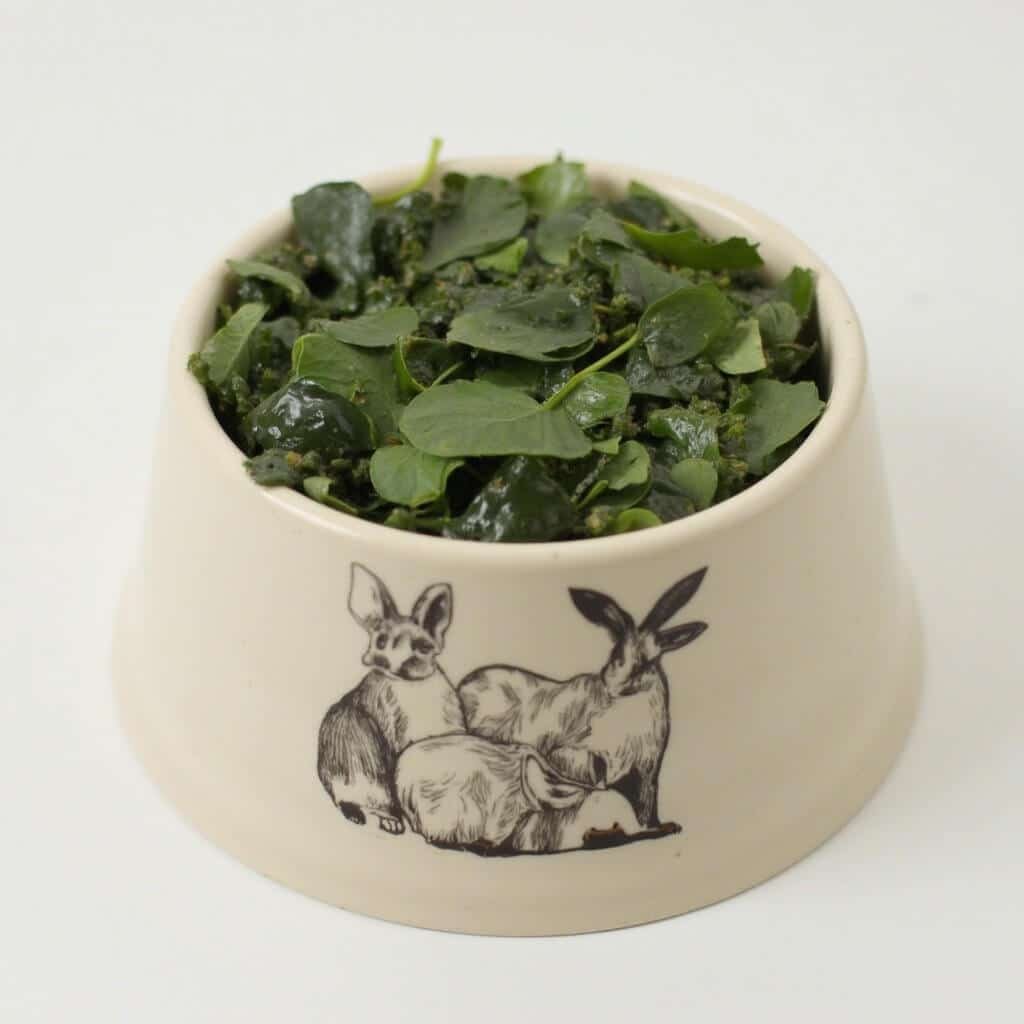
The finished mix should look moist but not wet, with green flecks running through pale meat. If there’s a puddle in the bowl, you added too much liquid.
How I Serve It
I use this as a 25% topper over Pickle’s regular kibble — about 2 tablespoons for her 8kg frame. For a 30kg dog you’re looking at closer to a half cup. If your vet has prescribed a homemade-only diet, this base still needs calcium (eggshell powder is what my vet recommended) plus a canine multivitamin to hit nutritional balance.
Without those additions, it’s a topper. Full stop.
Tips That Actually Matter
– Introduce slowly. Mix a spoonful into the regular food for 4–5 days before serving a full portion. Novel proteins can still upset a sensitive gut.
– Check for bones obsessively. Rabbit ribs are needle-thin. I run my fingers through the chopped meat before mixing.
– Don’t let spinach dominate. Keep it at roughly equal volume to the meat or less. Too much can interfere with calcium absorption over time.
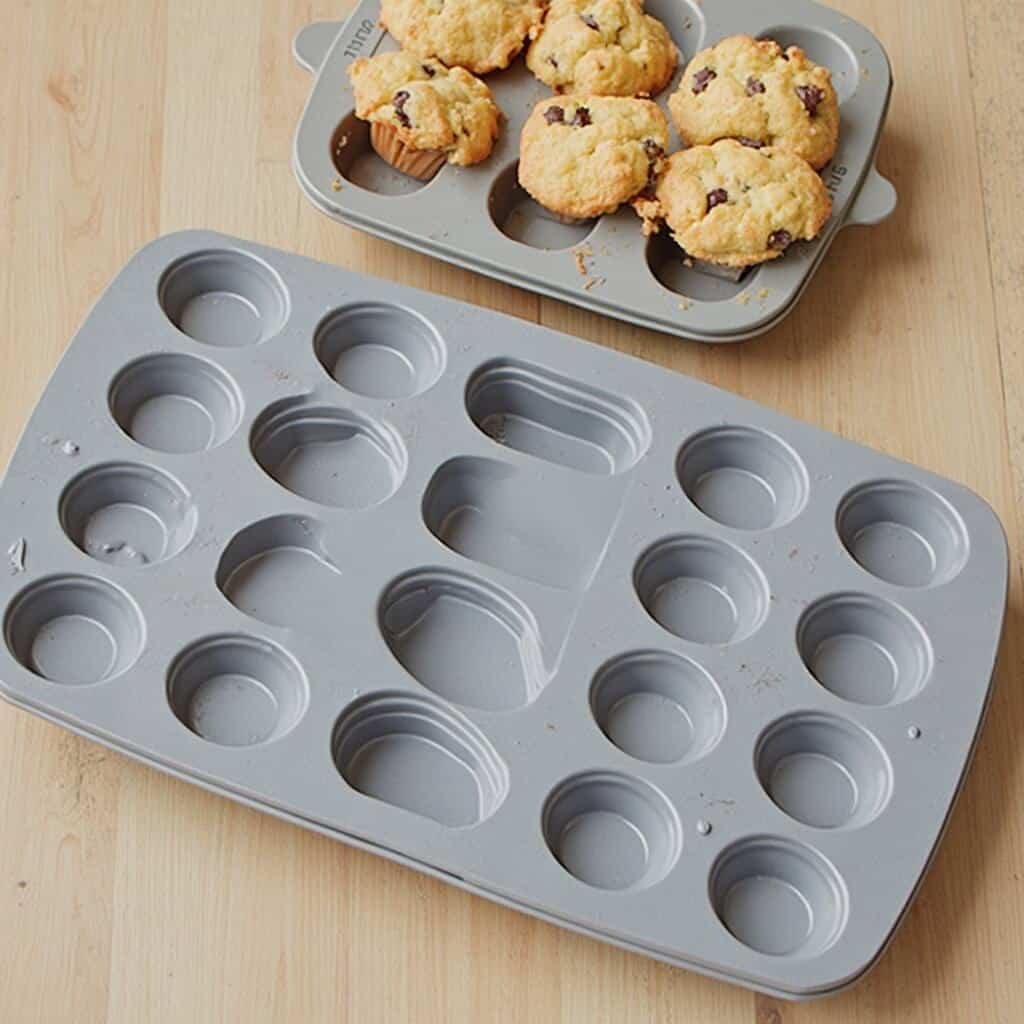
– Storage: 3–4 days refrigerated in glass. Freezes well for 3 months — I portion it into silicone muffin cups, then bag the frozen pucks.
– Reheat warm, not hot. 15 seconds in the microwave, stir, check the center with your finger.
– Scaling: Triple it without changing ratios. Past that, cook the rabbit in two batches so it doesn’t steam in its own liquid.
Variations Worth Trying
– Rabbit-quinoa bowl: Stir in 2 tablespoons cooked quinoa per cup of mix for dogs that need more calories.
– Veggie blend: Swap half the spinach for steamed green beans or grated carrot. Easier on dogs prone to oxalate-related urinary issues.
– Rotation protein: Same method works with turkey thigh or skinless salmon. Salmon cooks faster — 6–8 minutes is plenty.
If your dog turns their nose up the first time, warm it slightly and add a teaspoon of the cooking liquid back in. That trick has never failed me.
The rabbit spinach lean protein recipe for dogs is the topper most dogs take. The rabbit is the part to keep.
